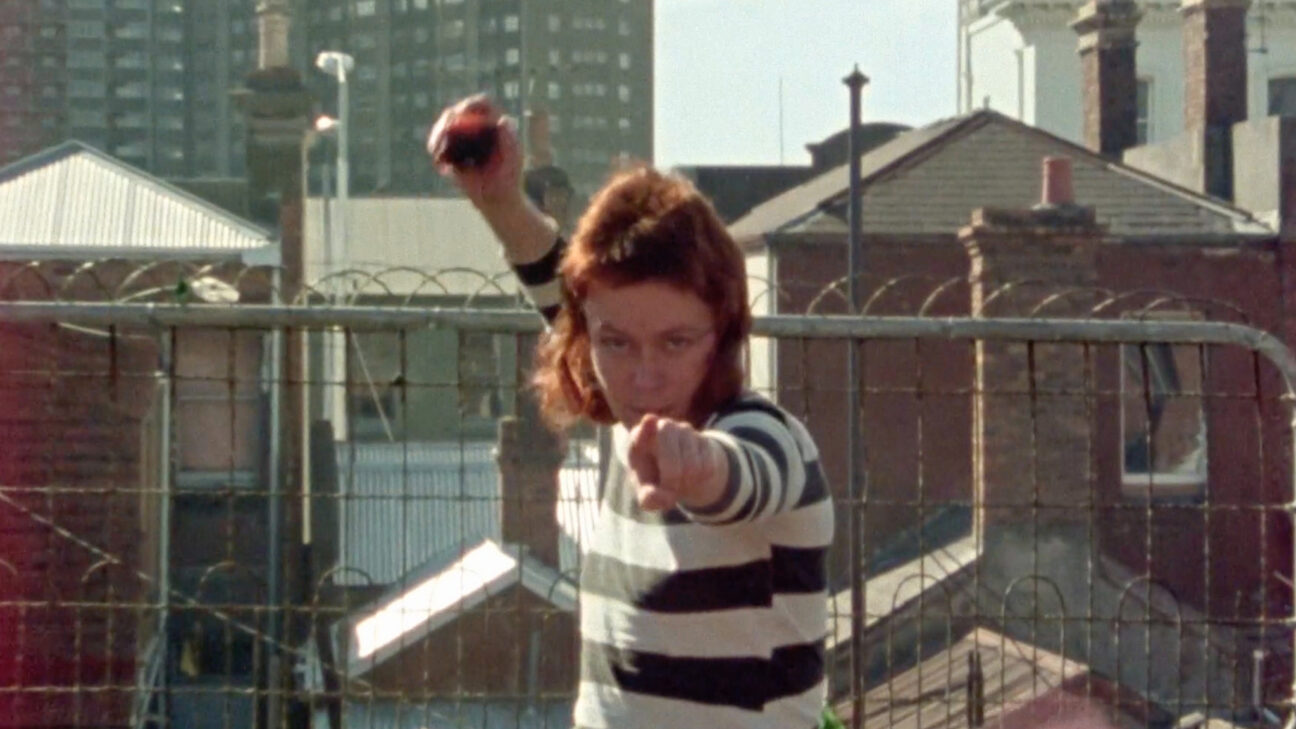
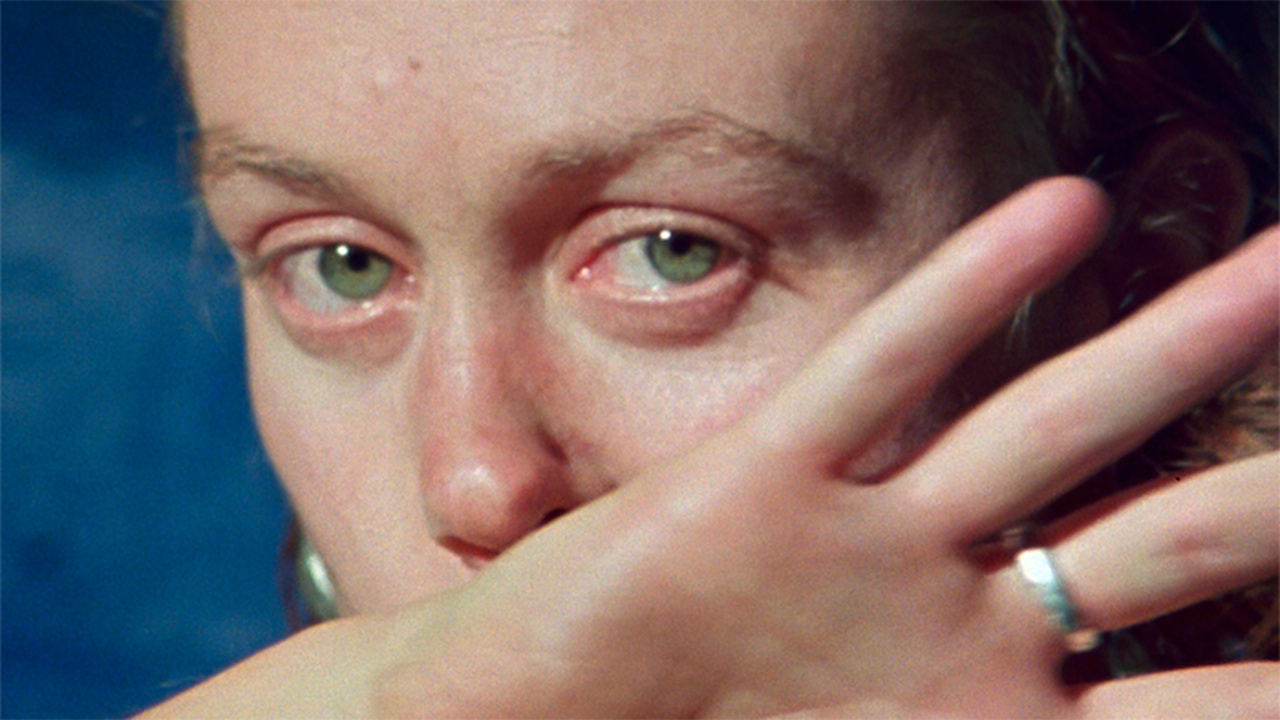
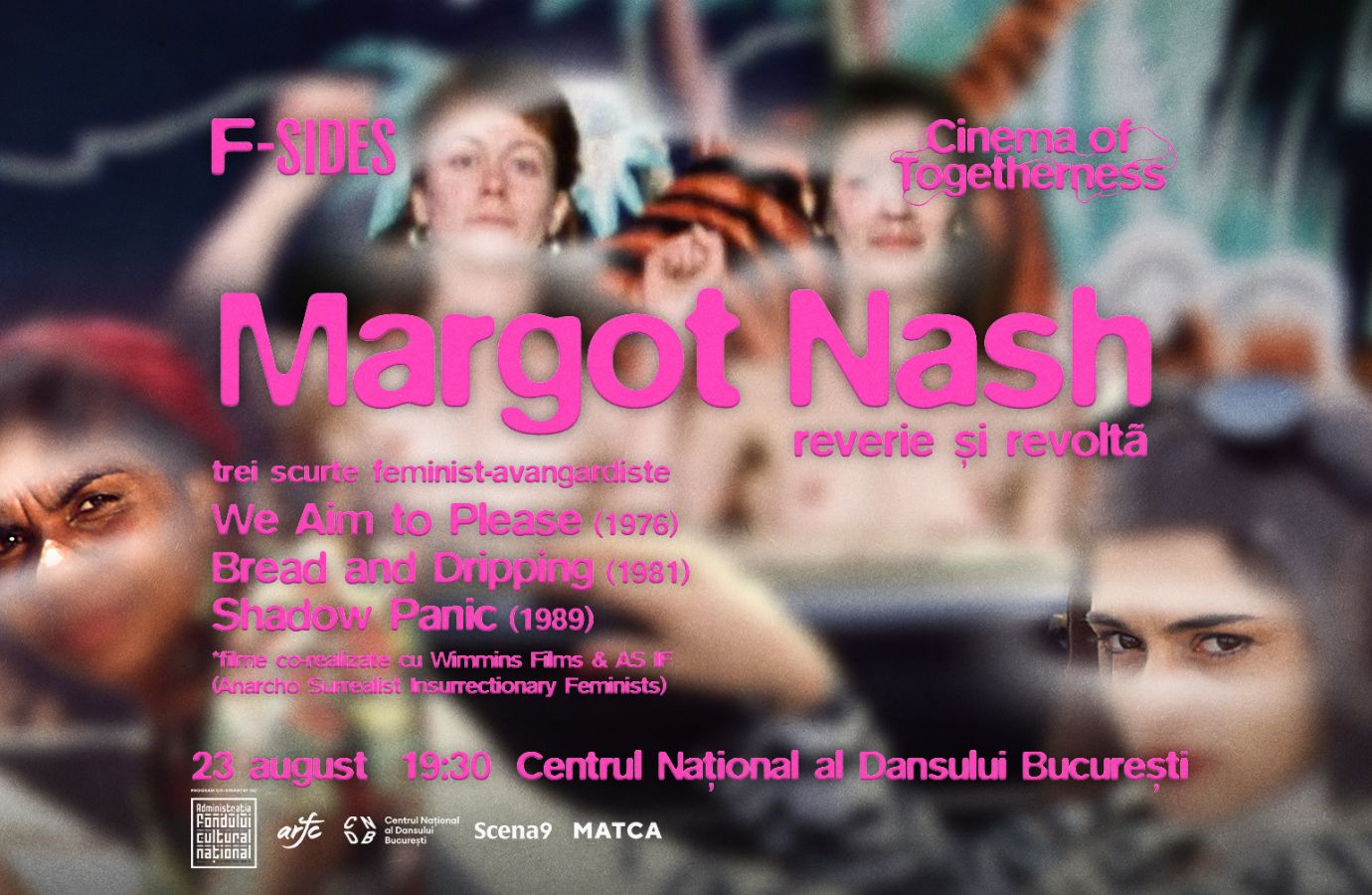
Margot Nash – Reverie and Revolt: 3 feminist avant-garde short films
- Film – short films
56 min.
Info
Spanning multiple aesthetic realms—from political documentary to surrealist experiments—as demonstrated by the three short films in this program, the career of avant-garde filmmaker Margot Nash began in the 1970s—a period marked in Australia by the emergence of several independent artistic groups and collectives. Among them were organizations such as the Sydney Filmmakers Co-op and the Melbourne Filmmakers Co-operative, which focused not only on alternative film production and distribution but also on community-based activism and the amplification of voices that had been rendered invisible and marginalized within the film industry: Indigenous voices, women’s voices, as well as experimental and non-commercial voices. Before joining the Sydney cooperative and, more importantly, the group formed out of the women’s rights movement by several members of the Sydney Women’s Film Group, Nash initially worked as an actress, meeting her collaborator, Robin Laurie, within an experimental theater troupe in Melbourne.
Together with Laurie, Nash founded AS IF—Anarcho Surrealist Insurrectionary Feminists, a production collective whose manifesto, both feminist and surrealist, views experimental film as an instrument of dual liberation: of the individual and of the imagination. The liberating mission of this manifesto also holds the key to Margot Nash’s cinema—an assault on reality, in which the dream becomes a primary tool not for escape, but for the active dismantling of the Structure, for the subversion not only of logic, but of a bourgeois and patriarchal order; of cinema, but also of the world. For Nash, reverie is not a melancholic and passive act of detachment, but rather a form of rebellion.
Margot Nash – Reverie and Revolt: 3 feminist avant-garde short films
Country: New Zealand/Australia
Subtitles: RO, EN
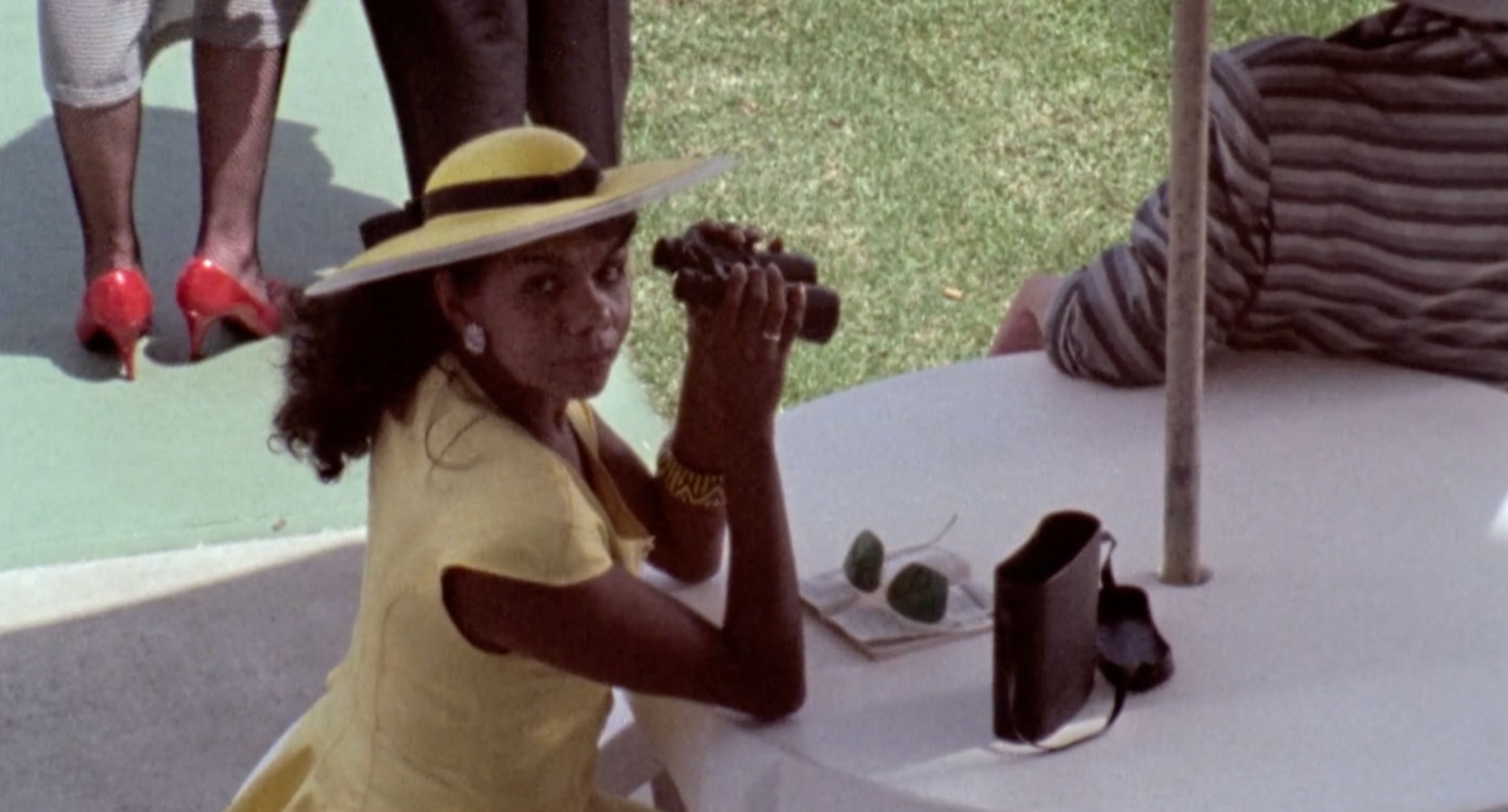
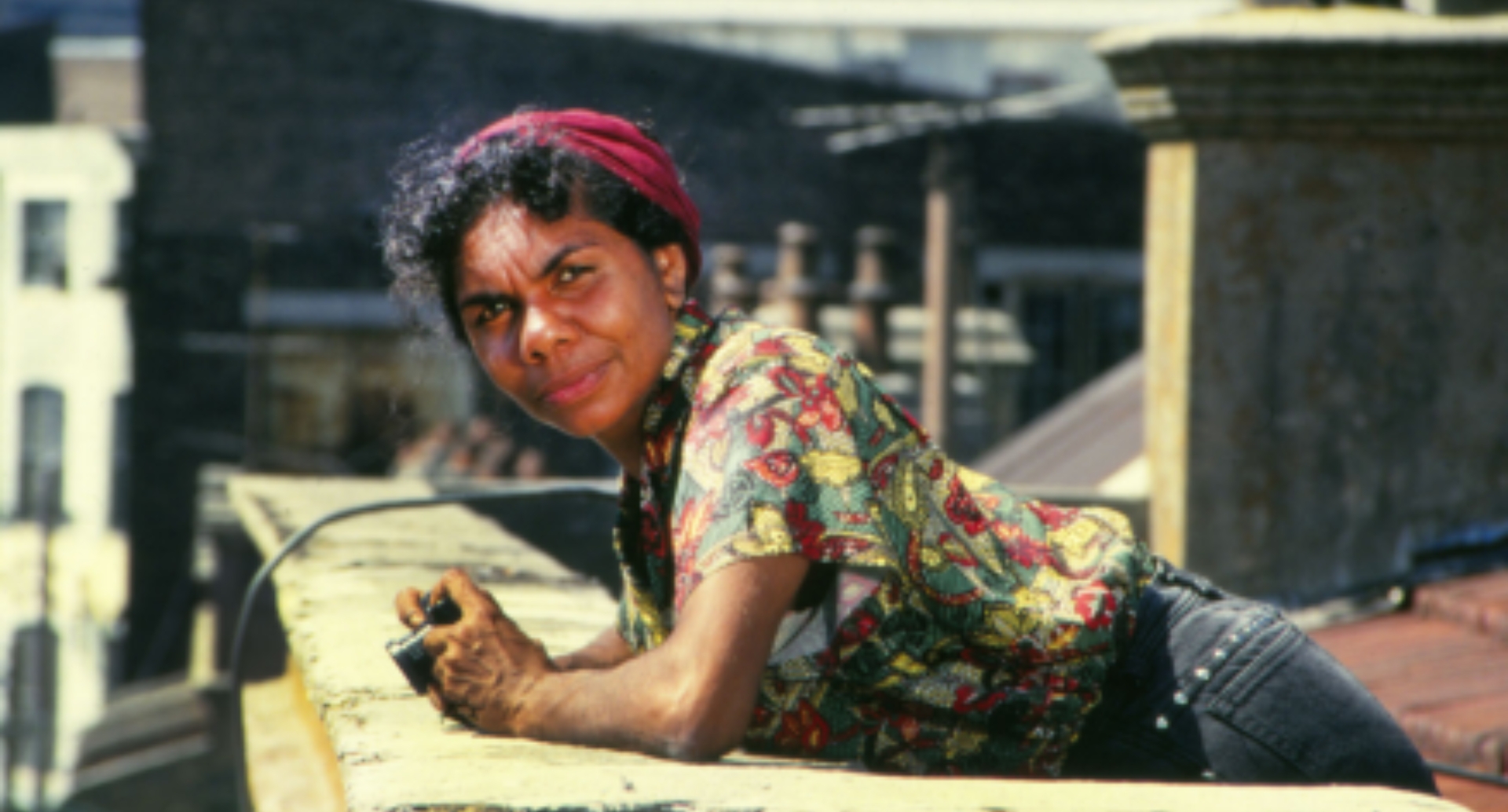
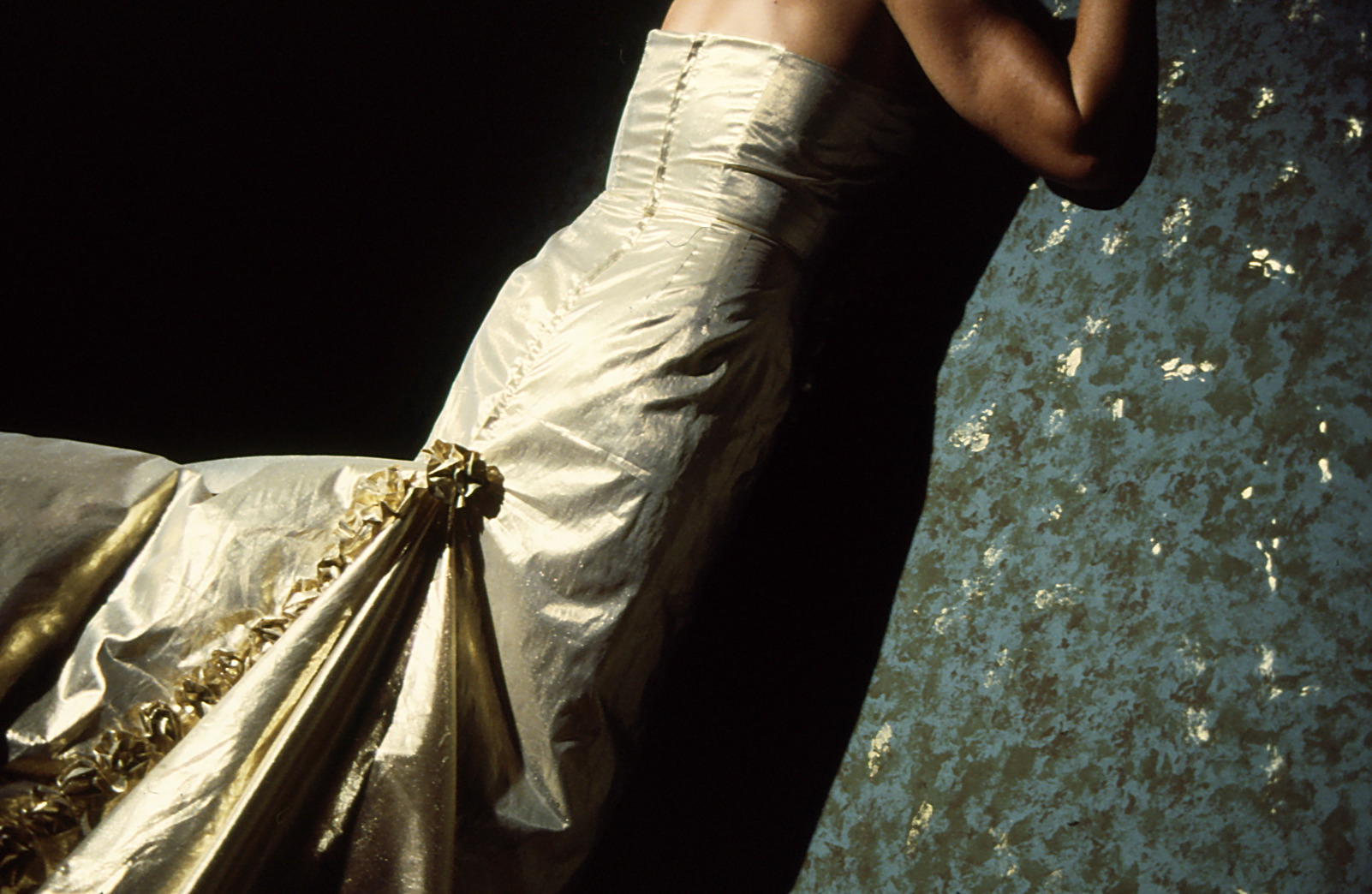
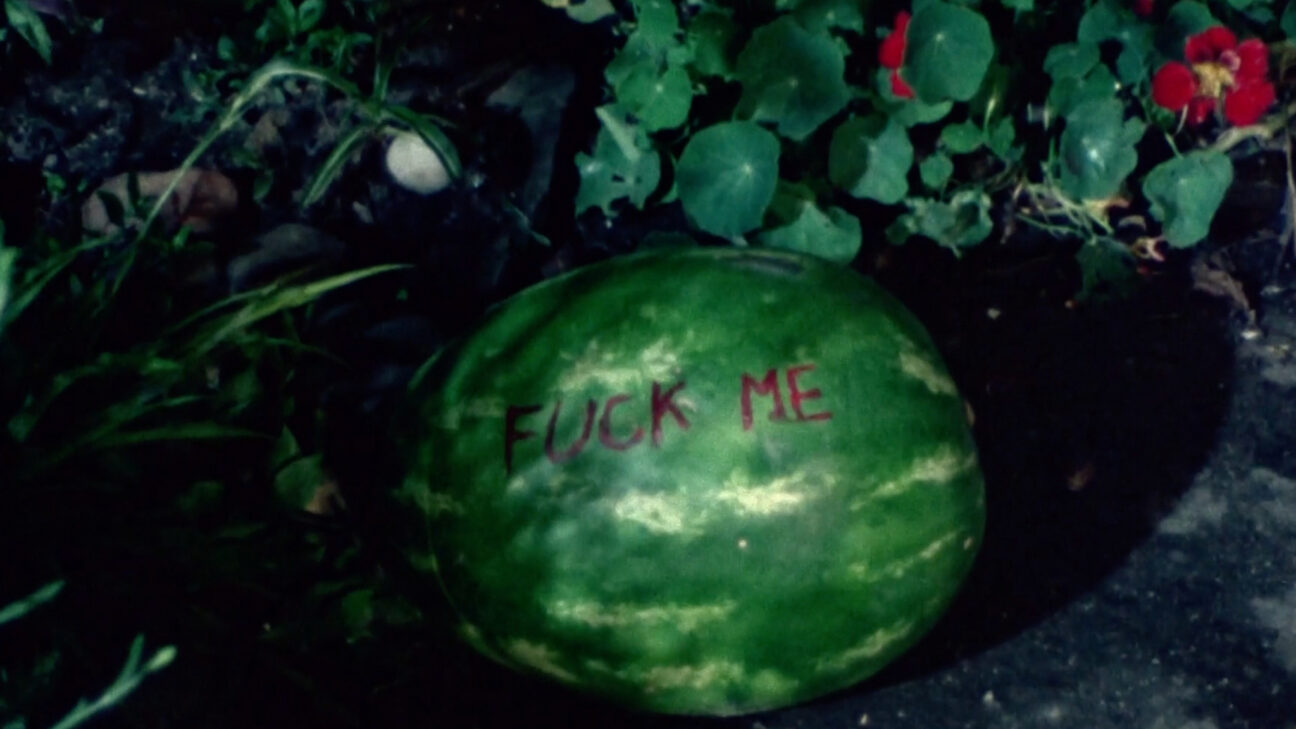
We Aim to Please (1976, 13′), co-directed with Robin Laurie, uses the bodies of the two artists as a starting point to question how women are viewed and represented in cinema. Playful and made with DIY techniques, the film transforms the image into a gesture of empowerment.
Bread and Dripping (1981, 17′) brings four women before the camera who lived through the hardships of the Great Depression in 1930s Australia. Born out of a collective creative process, the documentary recovers stories of hunger, violence, and survival, told by the women who lived through them.
Shadow Panic (1989, 26′) transports us into a fragmented, sensory universe, permeated by climate-related anxieties and the fear of war. Three characters come together in a film that unfolds like a tarot spread, through images that seek meaning in one another.
Biography
Margot Nash established herself as an artist in Melbourne and Sydney, participating in the burgeoning avant-garde theater and film movements of the late 1960s and early 1970s. In the mid-1970s, Nash began experimenting with her friend Robin Laurie, and together they directed the feminist short film We Aim to Please (1976). Influenced by surrealism, the French Situationists, and feminist theory, Nash’s cinematic work evolved remarkably over the next three decades, culminating in her first narrative feature film in 1994. This three-film program highlights this journey, tracing her evolution from low-budget experiments to the narrative feature film.
The screening is part of the 7th season of F-SIDES – Cinema of Togetherness, which begins with the question: What voices and efforts do we erase when we attribute the complexity of decisions and meanings to a single will and vision?
We aim to debunk the myth of the singular, authoritarian author and to look together at creative collectives and duos, as well as at roles that are often rendered invisible, celebrating both the work behind the camera and in front of it.
We’ll see you at the screenings, as well as at events dedicated to the film industry, ranging from panel discussions to hands-on workshops.
Partners: Romanian Association of Women in Film, French Institute, Matca, Scena9, Rezidența9, UCIN, Invisible Women, Elles Tournen
A cultural program co-funded by the Administration of the National Cultural Fund. The project does not necessarily reflect the position of the Administration of the National Cultural Fund. The AFCN is not responsible for the content of the project or for how the project’s results may be used. These are entirely the responsibility of the grant recipient.
Cinema of Togetherness is a cultural program co-funded by the National Cultural Fund Administration (AFCN) and implemented by ARFC.
Parteneri media principal
Radio Guerilla
Parteneri media
Scena9, Zile și Nopți, Adevărul, Agerpress, Elle, Happ.ro, Liternet, TVR Cultural, Radio România Cultural, Revista Arta, The Institute, Zeppelin, ISCOADA, Revista Golan, Feeder, Visit Bucharest, Ziarul Metropolis, IQads, Ceașca de Cultură, Modernism.ro, Daily Magazine, Munteanu Recomandă.