Unauthorized movements
- Dance & Performance
- Recommended age 12+
- Performed in English
60 min.
Info
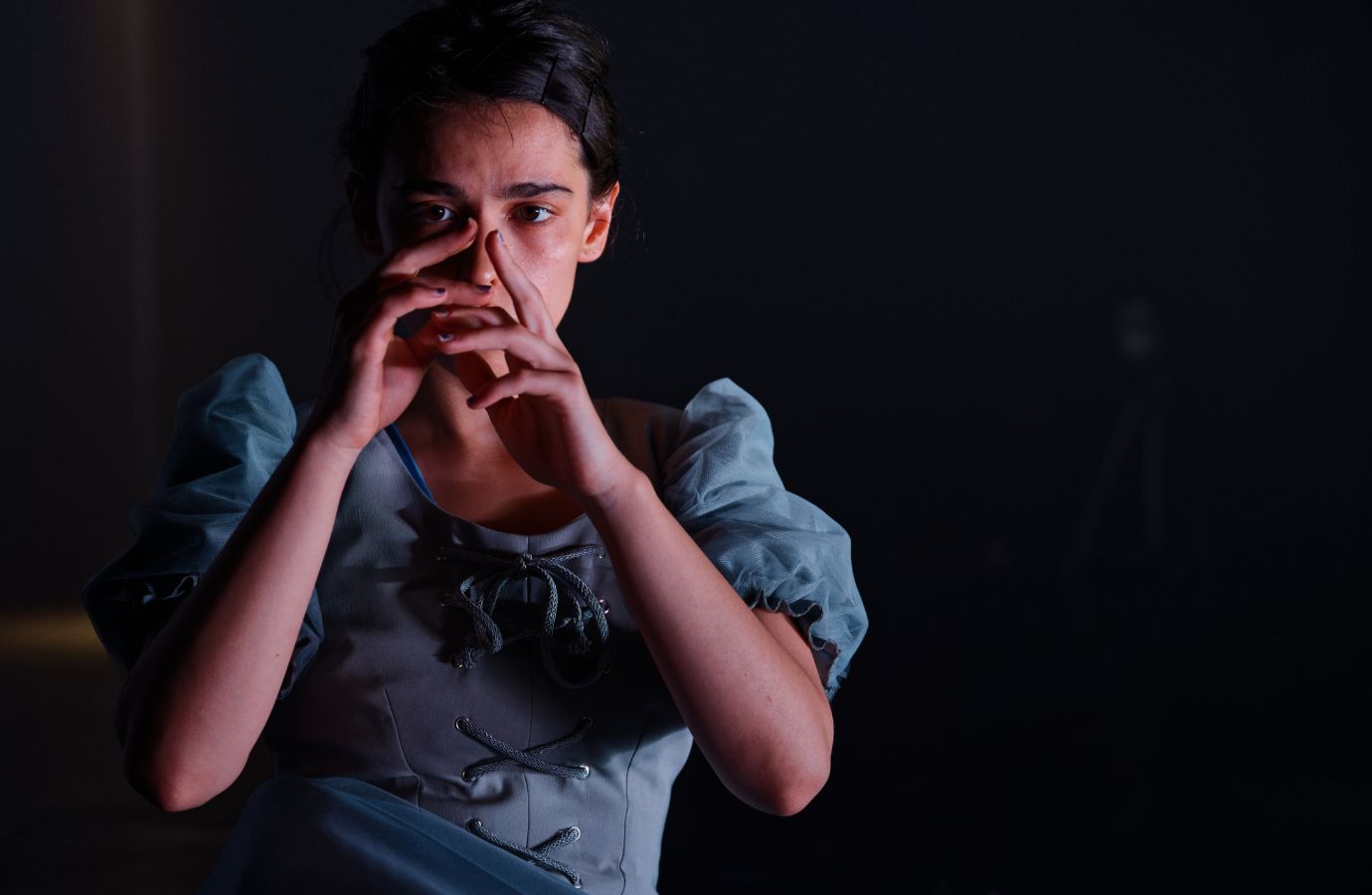
Based on the idea that history takes root in the body faster than in books, Unauthorized Movements explores how time, labor, the political imagination, and promises about the future continue to shape our gestures, reflexes, and ways of being.
The performance is based on the text of the performative lecture Unauthorized Movements: from Taylorism to Dance and Digital Surveillance, in which Mihai Mihalcea wondered, with humor and curiosity, how bodies and movement can still escape the way they are observed and analyzed, measured and optimized, and what is the dominant logic behind these processes.
Drawing inspiration from this text, Mihai Mihalcea invited Mara Bugarin to explore a performative space in which, like a hallucination, fragments from different eras intermingle. The two artists examine the beginnings of industrialization, the bright promises of the 1950s, and the present, in which technology increasingly comes to recognize the ways in which we move, react, and exist alongside one another.
How does a body come to learn what we now consider natural? How are the ways in which different eras organized life, work, and the idea of progress imprinted in gestures and behaviors? And what might a body do that does not want to be understood or anticipated?
Unauthorized Movements brings to light a world in which different historical layers coexist simultaneously, as in a memory that functions in fragments. The world that promised life would become easier and easier—the language of efficiency, the domestic culture of the 1950s, and the optimism of advertising—overlaps with a present dominated by recognition technologies.
Text and artistic direction: Mihai Mihalcea
Co-creation and performance: Mara Bugarin
Sound and video design: Mihai Mihalcea*
*musical excerpts from: Adolphe Adam, George Antheil, Notker Balbulus, Ed Cobb & Toni Basil, The Julius Dixson, Beverly Ross, Pat Ballard & The Chordettes, Les Paul & Mary Ford, Holly Herndon
*video excerpts from:
La Sortie de l’usine Lumière à Lyon – Louis Lumière (1895)
Ballet Mécanique – Fernand Léger and Dudley Murphy (1924)
motion study images – Frank and Lillian Gilbreth (ca. 1910–1924)
0=45 Version III – Analivia Cordeiro (1975/1989)
M3x3 – Analivia Cordeiro (1973)
Accumulation – Trisha Brown (1971)
Triadisches Ballett – reconstruction by Margarete Hastings after Oskar Schlemmer (1970)
Technical Support: Dragoș Petrișor, Marius Costache, Dragoș Mărgineanu, Ștefan Stanciu
Communication: Anca Truteskov, Raul Coldea
Biographies
Mihai Mihalcea is an artist, choreographer, and performer based in Bucharest.
He co-founded Marginalii, one of the first independent dance collectives in post-socialist Romania, as well as organizations such as the Solitude Project Association and SubRahova/Căminul Cultural. In 2004, he co-founded the National Dance Center of Bucharest (CNDB), a public institution he led from 2005 to 2013.
Throughout his career, he has created performances and choreographic works that vary greatly in form, ranging from choreographic compositions and performances to interventions in public spaces, installations, video works, and camera-based performances, while also developing curatorial and research projects. He has been active both on stage and in art galleries and museums. This versatility across media and formats has become one of the defining characteristics of her practice, in which she addresses issues related to the body, image, fiction, memory, representation, and the social construction of identity.
His works have been presented in numerous international contexts by institutions and festivals such as Tanzquartier Wien, Tanz im August Berlin, Rencontres Chorégraphiques de Seine-Saint-Denis, Théâtre Alfred Ve Dvore/Motus, Centre National de la Danse, Paris Quartier d’Été, SpringDance, Kunsthalle Gent, HAU Berlin, Black Box Oslo, and others.
Between 2010 and 2019, Mihai Mihalcea performed under the name Farid Fairuz, taking the Romanian cultural scene by storm with performances and critical interventions on capitalism, sexuality, cultural production, and religion, which sharply reflected society’s failures. The complete Farid Fairuz archive (2010–2019) has been acquired by the National Museum of Contemporary Art of Romania.
His latest shows, “Sweet Spot (from the midst of terror)” and “Unauthorized Movements,” are currently playing on stages in Bucharest. For more details, visit mihai-mihalcea.ro/news.
Mara Bugarin is a film and theatre actress of the new generation, based in Bucharest, Romania. Her debut film, in which she starred as the protagonist, Metronome (dir. Alexandru Belc), was awarded in the Un Certain Regard section at the Festival de Cannes. Since then, she has starred in a number of short and feature films in Romania and Germany, including Of Love and Demons (dir. Leonardo Cariglino, set to premiere in 2026, a German/Belgian coproduction), Export Only (dir. Cristina Iliescu, produced by European Film Academy Chair Ada Solomon), Happy (dir. Mara Cohn), Moromeții 3 (dir. Stere Gulea, produced by Tudor Giurgiu), O fată drăguță ca o melodie (dir. Claudiu Mitcu), Cântecul unei ciocârlii (dir. Miruna Străuț), One Hour (dir. Mara Cohn), and Ocra (dir. Daiana Stănușoiu), among others. She is a two-time nominee at the Gopo Awards, the most important Romanian film awards, for her roles in Metronomeand Moromeții 3. She received the “Leo Șerban” Award at TIFF for Outstanding Emerging Artist in Cinema. She has also served on the jury of the Ceau, Cinema! Festival, alongside Cătălin Cristuțiu and Ioana Bugarin. In addition to her work in film, she is an active presence in Bucharest’s theatre scene, collaborating with some of the most prominent contemporary directors. She is a resident actress at a state theatre and collaborates with the Platform for Political Theatre as both a performer and director, developing socially engaged, political, and experimental performances. Her work is based on documented material gathered in the field or through a mix of media, ranging from archives and soundscapes to projections, often incorporating video documentation of her process. Her practice also includes elements of movement and dance, and she collaborates with the National Center for Dance. With a strong and focused trajectory in cinema, Mara is a multidisciplinary artist of today.
Production: Solitude Project Cultural Association, in partnership with the National Dance Center of Bucharest, co-funded by AFCN
Partners: Antistatic International Festival for Contemporary Dance and Performance, Brain Store Project, Reactor de Creație și Experiment
Main media partner
Radio Guerilla
Media Partners
Adevărul, Agerpress, Elle, Happ.ro, Liternet, TVR Cultural, Radio România Cultural, Revista Arta, The Institute, Zile și nopți, Zeppelin, ISCOADA, Revista Golan, Feeder, Visit Bucharest, Ziarul Metropolis, Scena9, IQads, Ceașca de Cultură, Modernism.ro, Haute Culture Magazine
-
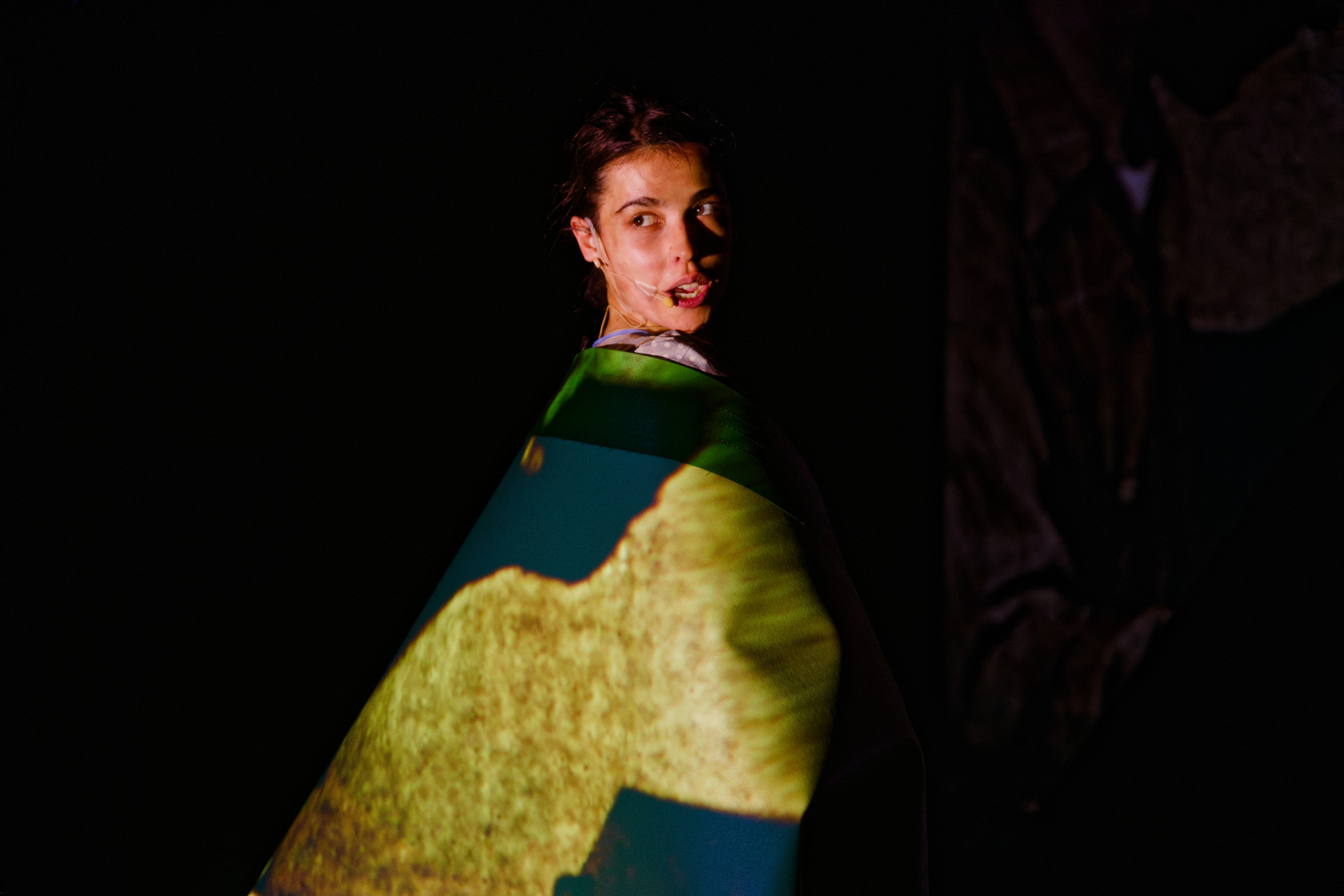
Mara Bugarin © Mișcări Neutorizate, photo: Petre Fall -
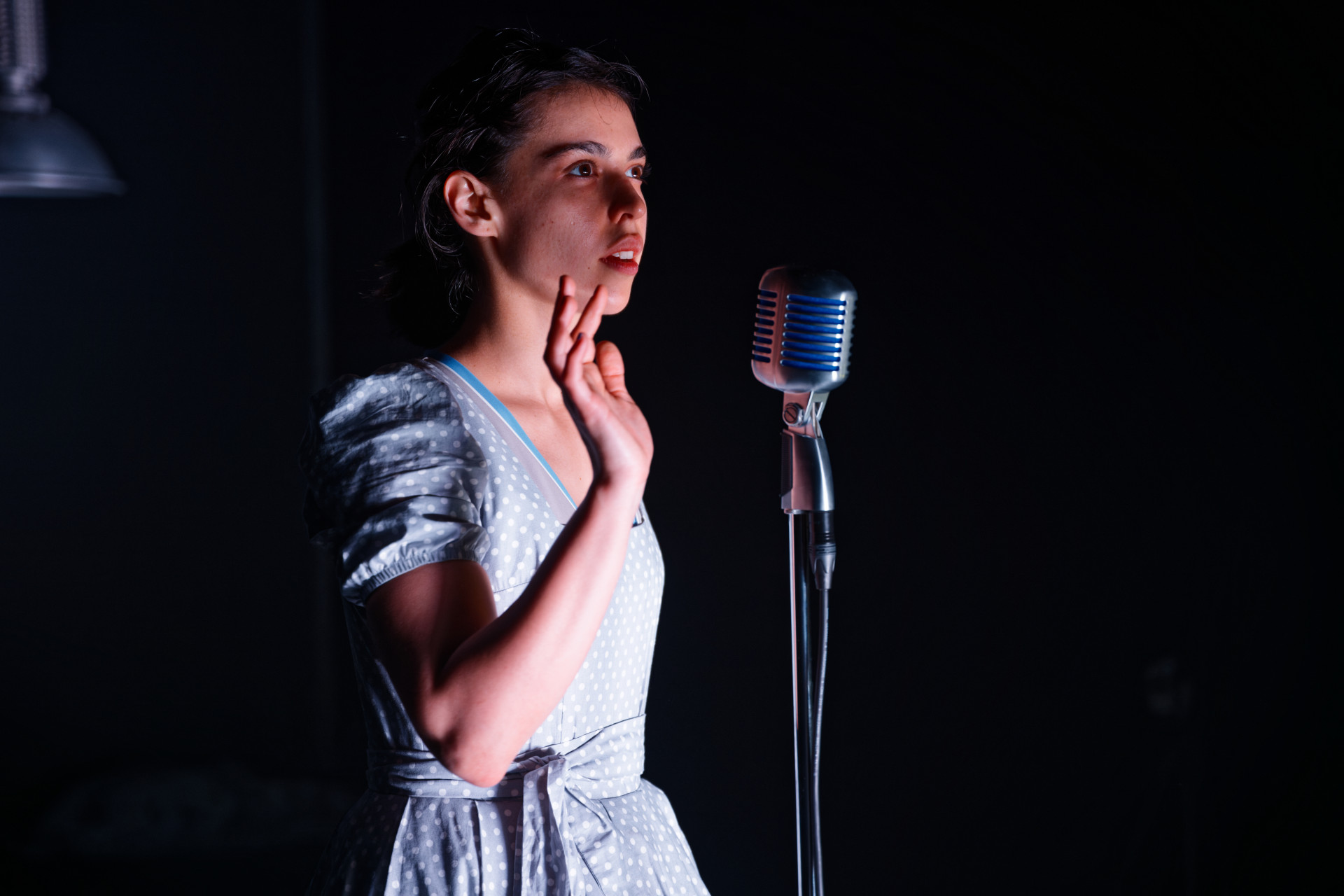
Mara Bugarin © Mișcări Neutorizate, photo: Petre Fall -
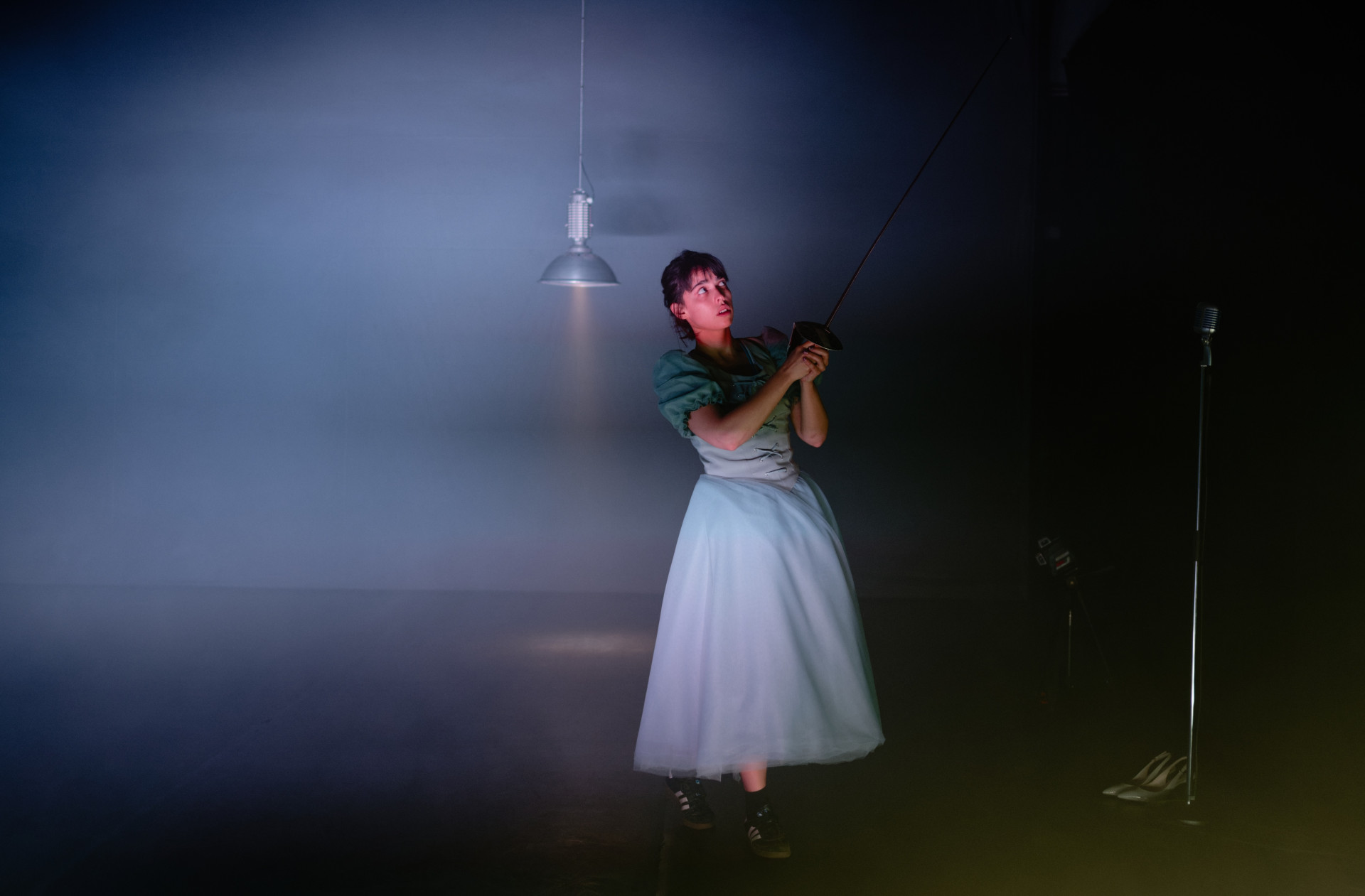
Mara Bugarin © Mișcări Neutorizate, photo: Petre Fall -
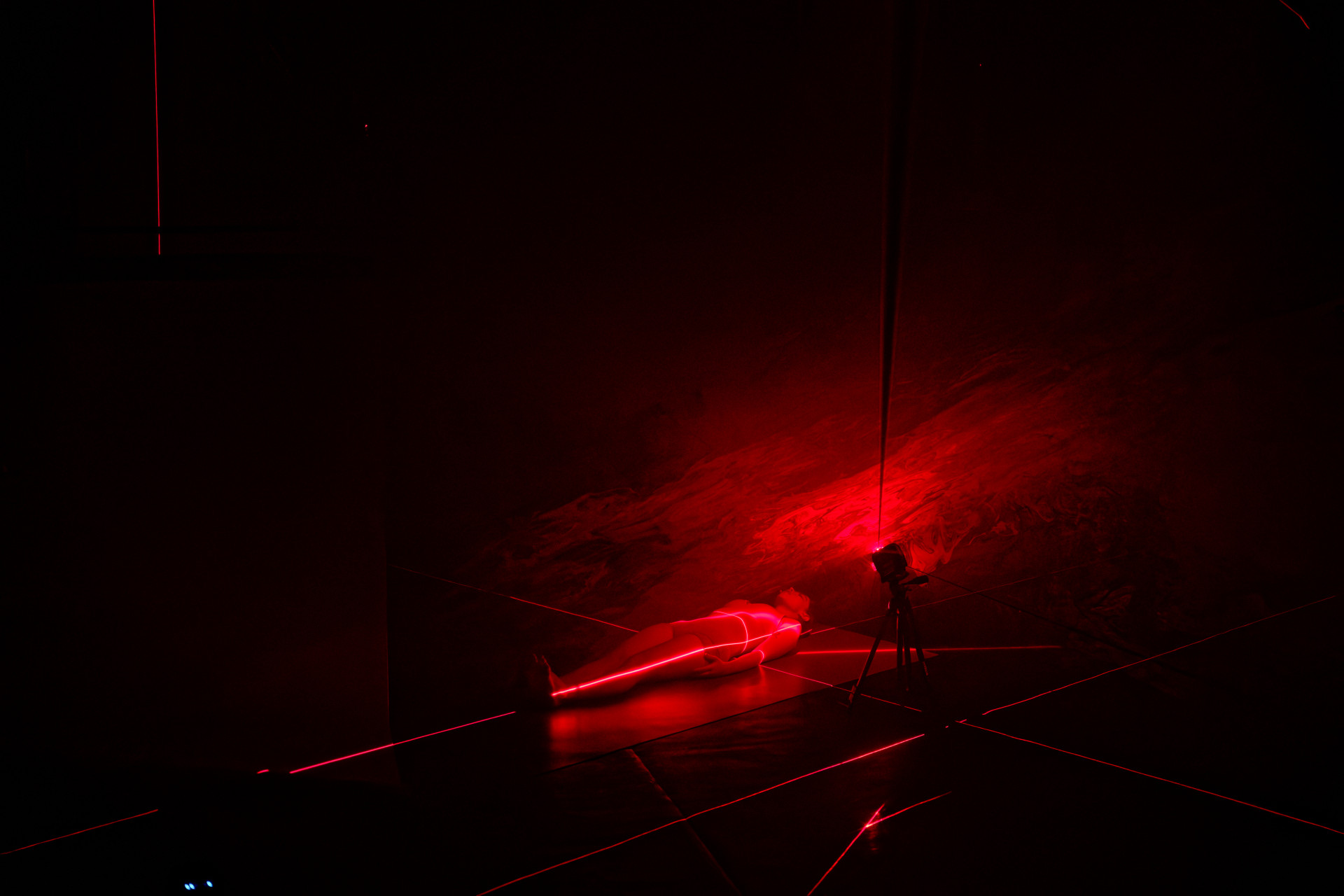
Mara Bugarin © Mișcări Neutorizate, photo: Petre Fall -
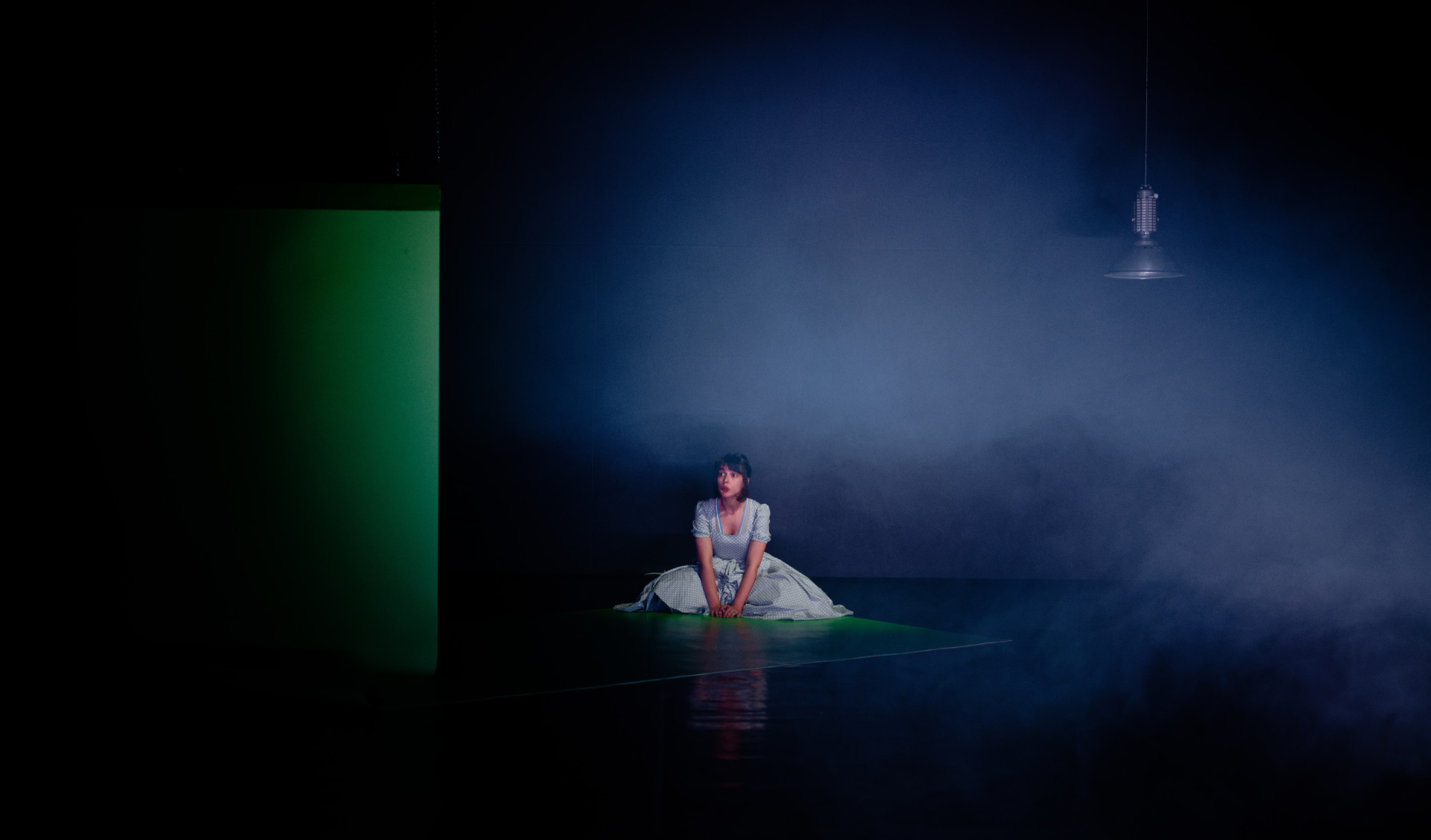
Mara Bugarin © Mișcări Neutorizate, photo: Petre Fall -
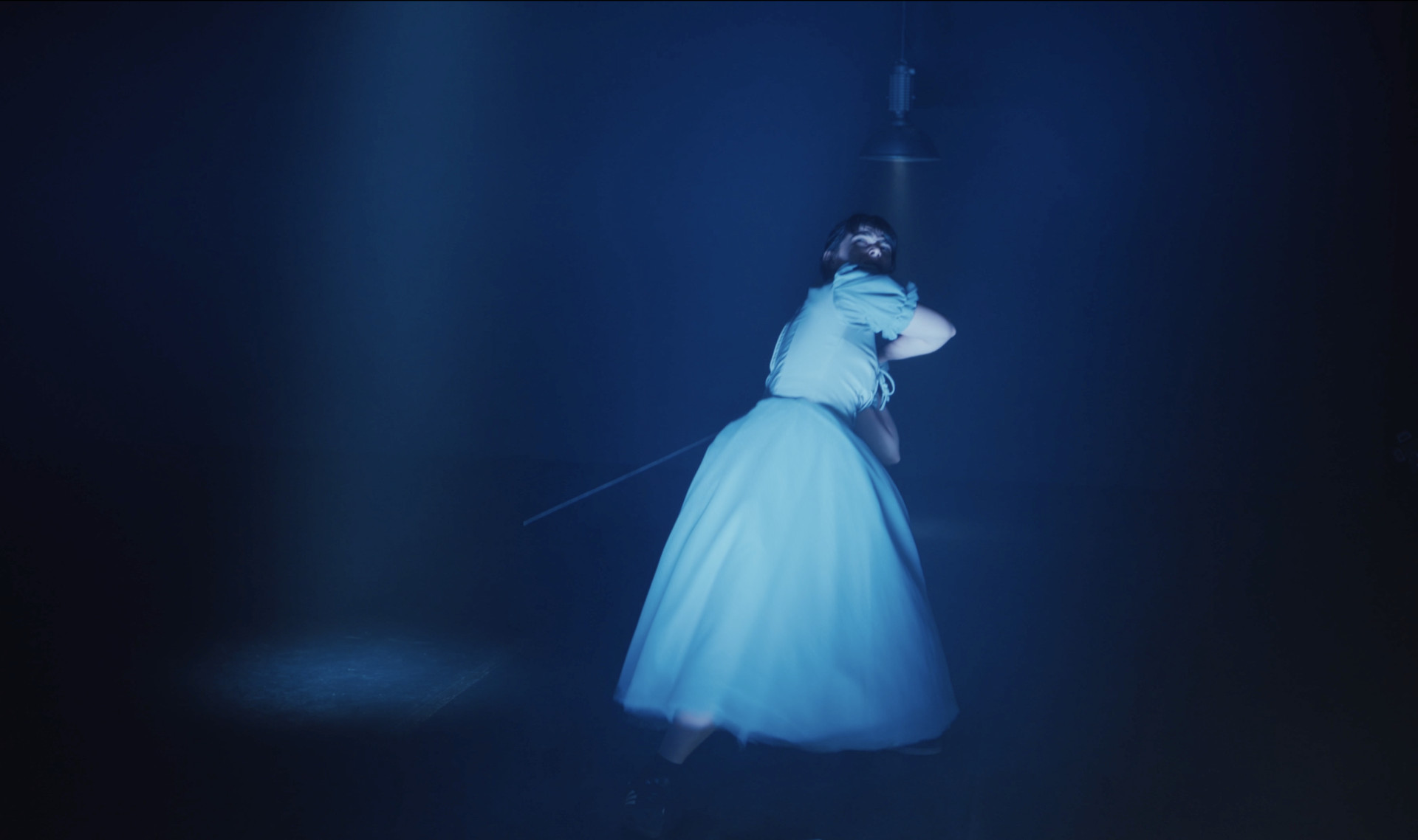
Mara Bugarin © Mișcări Neutorizate, photo: Petre Fall -
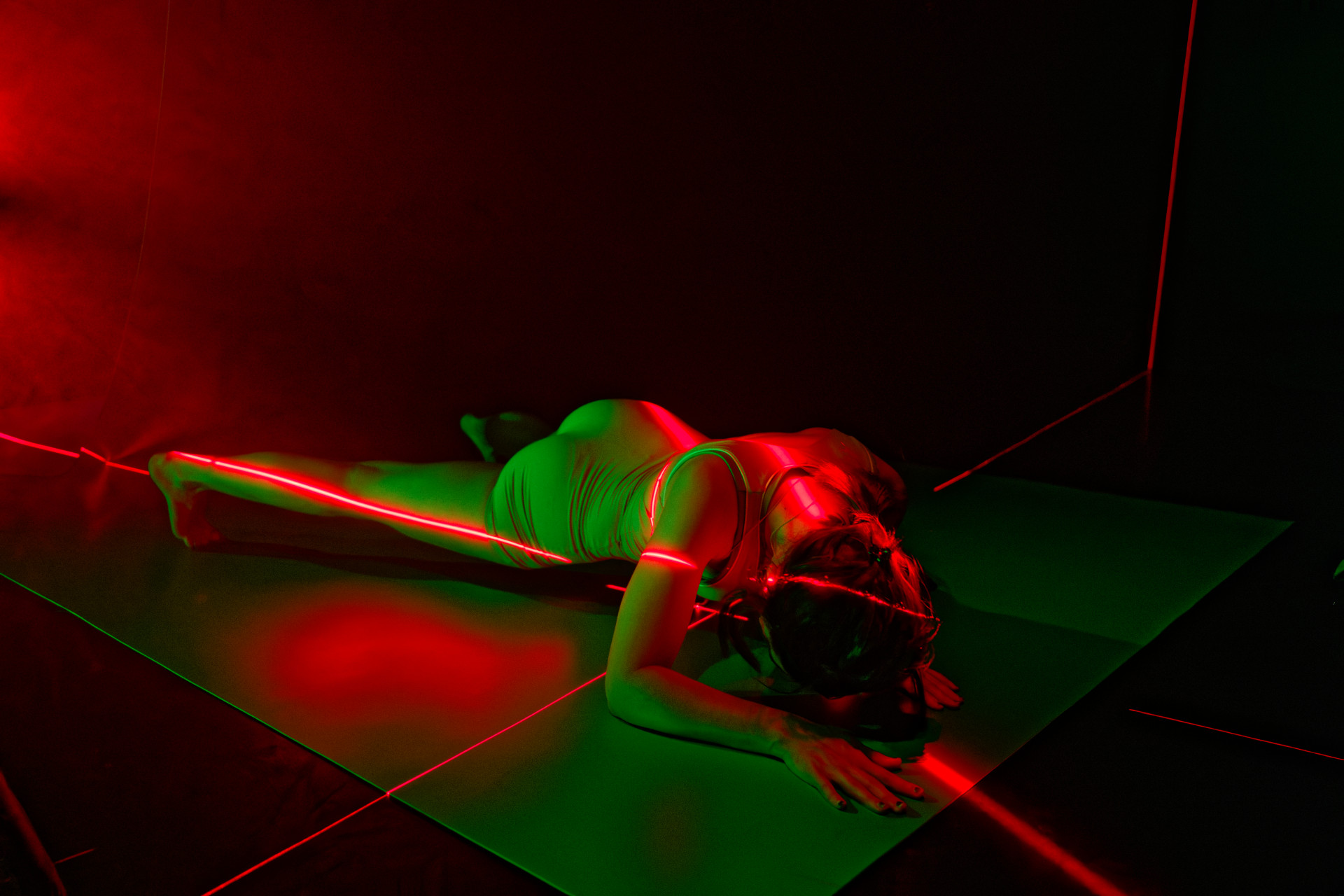
Mara Bugarin © Mișcări Neutorizate, photo: Petre Fall -
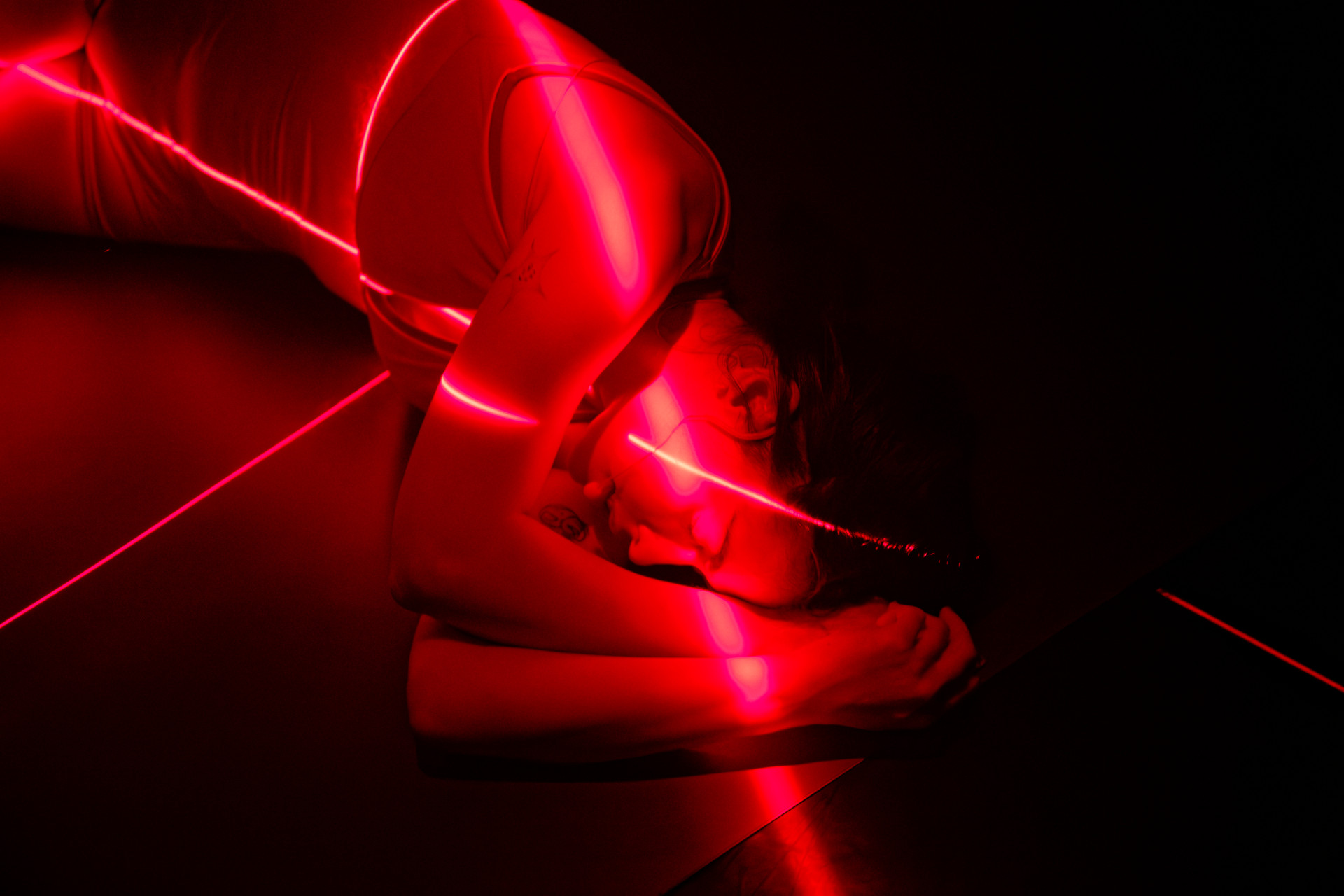
Mara Bugarin © Mișcări Neutorizate, photo: Petre Fall